

With the vast amount of information available, it’s challenging to determine the best nutrition plan tailored to your needs.
Imagine having access to a system that analyzes your health data and provides customized guidance on what to eat to achieve your wellness goals.
This is now a reality, thanks to advancements in technology that are transforming the way we approach diet and nutrition.
Key Takeaways
Table of Contents
- Understanding the role of technology in modern nutrition
- Benefits of tailored nutrition advice
- How data analysis improves dietary guidance
- The impact of customized nutrition plans on health
- Future prospects of AI in diet planning
What Are Personalized AI Diet Recommendations?
Personalized AI diet recommendations are revolutionizing the way we approach nutrition and health. By leveraging advanced technologies like machine learning, these systems provide tailored dietary advice that caters to individual needs, preferences, and health goals.
How AI Transforms Traditional Nutrition Advice
Traditional nutrition advice often follows a one-size-fits-all approach, which can be limiting. AI transforms this by analyzing vast amounts of data to create personalized meal plans that adapt to an individual’s changing needs.
The Technology Behind Smart Diet Systems
The technology behind these smart diet systems involves complex algorithms and data analysis. Machine learning plays a crucial role in this process.
Machine Learning and Nutritional Science
Machine learning algorithms are trained on vast datasets that include nutritional information, health outcomes, and dietary preferences. This training enables the AI to make informed decisions about an individual’s diet.
Data Processing for Diet Customization
Data processing is key to diet customization. The AI analyzes data from various sources, including health metrics and dietary habits, to create a customized diet plan
By combining machine learning and nutritional science, AI-powered diet recommendations offer a more effective and personalized approach to nutrition.
The Benefits of Implementing Personalized AI Diet Recommendations
The integration of AI in diet planning has opened new avenues for individuals seeking tailored diet recommendations. By leveraging advanced algorithms and machine learning, personalized AI diet recommendations can significantly enhance one’s nutritional intake and overall health.
Achieving Better Dietary Adherence
One of the primary benefits of using a personalized nutrition plan is achieving better dietary adherence. Tailored diet recommendations are designed to meet individual nutritional needs, making it easier to stick to a healthy eating plan. This personalized approach helps in reducing the likelihood of deviating from dietary goals.
Improving Health Markers and Outcomes
Personalized AI diet recommendations are not just about meal planning; they’re about improving health markers and outcomes. By analyzing individual health data, AI systems can suggest dietary adjustments that can lead to improved health outcomes, such as better blood sugar control or reduced blood pressure.
Saving Time and Reducing Meal Planning Stress
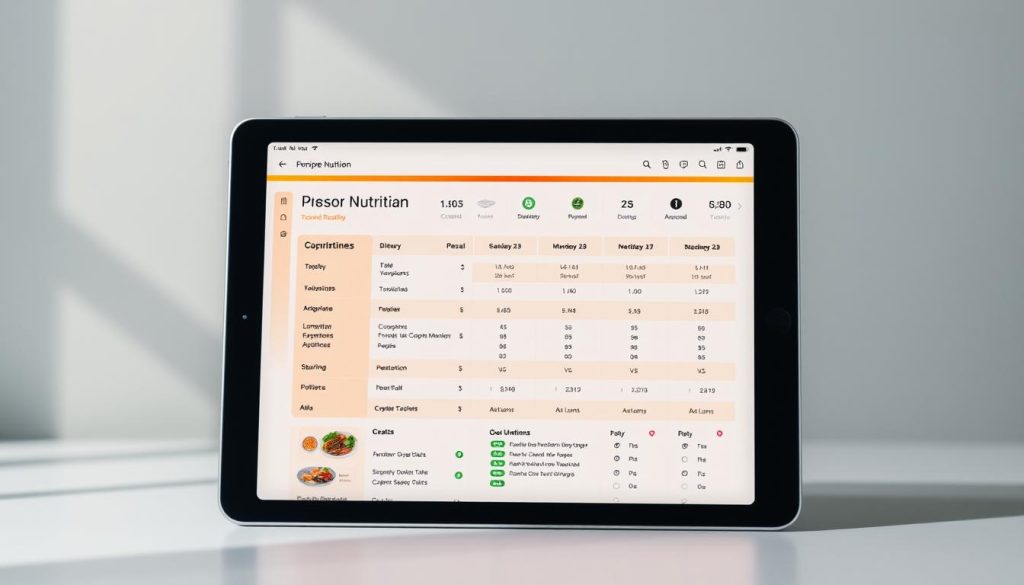
Another significant advantage of AI-driven diet planning is the time it saves and the stress it reduces. With automated meal planning, individuals can quickly obtain healthy meal ideas, reducing the time spent on meal planning and grocery shopping.
In conclusion, the benefits of implementing personalized AI diet recommendations are multifaceted, ranging from improved dietary adherence and health outcomes to reduced meal planning stress. By adopting a personalized nutrition plan, individuals can take a significant step towards a healthier lifestyle.
How to Choose the Right AI Nutrition Platform
With numerous AI diet applications available, choosing the right one requires careful consideration of several key factors. The ideal platform should align with your dietary needs, lifestyle, and health goals.
Evaluating Different AI Diet Applications
When evaluating AI diet applications, it’s essential to consider the features and functionalities they offer. This includes assessing the user interface, the type of dietary recommendations provided, and the ability to track progress.
Free vs. Premium Options
Many AI nutrition platforms offer both free and premium versions. The free version can give you a basic understanding of what the platform offers, while the premium version typically provides more detailed and personalized recommendations.
Feature Comparison Checklist
To make an informed decision, create a checklist of features that are important to you. This might include:
- Personalized meal planning
- Integration with wearable devices
- Community support
- Scientific validation
| Feature | Platform A | Platform B |
|---|---|---|
| Personalized Meal Planning | Yes | Yes |
| Wearable Device Integration | No | Yes |
| Community Support | Yes | No |
| Scientific Validation | Yes | Yes |
Reading User Reviews and Success Stories
User reviews and success stories can provide valuable insights into the effectiveness of an AI nutrition platform. Look for reviews that discuss the platform’s ability to deliver on its promises and improve users’ health outcomes.
Checking for Scientific Validation
It’s crucial to choose a platform that is backed by scientific research. Check if the platform’s algorithms are developed based on credible nutritional science and if there are any peer-reviewed studies supporting its claims.
Setting Up Your AI Nutrition Profile Step-by-Step
The journey to a healthier you begins with setting up your AI nutrition profile. This process is straightforward and designed to provide a personalized experience from the start.
Creating Your Account and Basic Profile
To begin, you’ll need to create an account on your chosen AI nutrition platform. This typically involves providing some basic information such as your name, email address, and password. You’ll also be asked to provide some initial details about your health and dietary goals.
Inputting Health Metrics and Dietary Preferences
After creating your account, you’ll be prompted to input more detailed health metrics and dietary preferences. This may include your height, weight, activity level, and any dietary restrictions or preferences you have, such as vegan, gluten-free, or low-carb.
Accurate input is crucial for receiving customized meal suggestions that meet your nutritional needs.
Connecting Wearable Devices for Enhanced Tracking
For a more comprehensive understanding of your health and progress, many AI nutrition platforms allow you to connect wearable devices and health apps.
Compatible Fitness Trackers
Popular fitness trackers like Fitbit and Garmin can be connected to track your daily activity, sleep patterns, and other health metrics.
Health App Integrations
Integrations with health apps such as MyFitnessPal for calorie tracking and Apple Health for a broader view of your health data are also common.
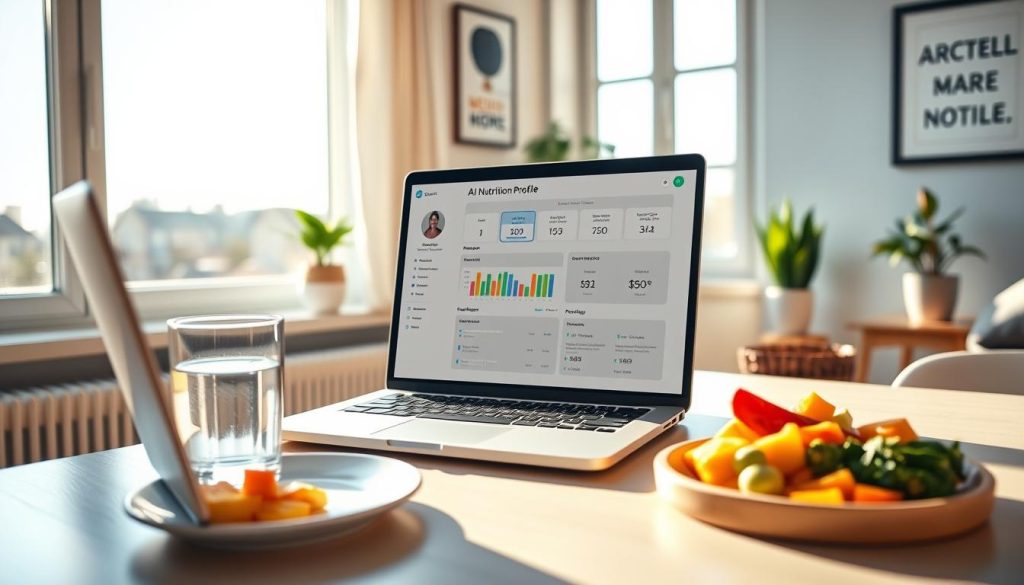
By following these steps, you’ll have a fully set up AI nutrition profile, ready to provide you with personalized dietary recommendations tailored to your specific needs and goals.
How to Interpret and Apply Your AI-Powered Meal Planning
The key to successful AI-powered meal planning lies in understanding your personalized nutrition dashboard and applying the insights effectively. With the rise of AI nutrition guidance, individuals can now receive tailored dietary recommendations that cater to their unique needs and preferences.
Understanding Your Personalized Nutrition Dashboard
Your personalized nutrition dashboard is the central hub of your AI-powered meal planning. It provides an overview of your dietary needs, health goals, and progress. To effectively interpret this information, you need to understand the various metrics and indicators displayed.
For instance, your dashboard might show your daily caloric needs, macronutrient breakdown, and suggested meal frequency. By grasping these details, you can make informed decisions about your diet and adjust your meal plan accordingly.
Implementing Daily Meal Suggestions
Once you understand your personalized nutrition dashboard, it’s time to implement the daily meal suggestions provided by your AI system. These suggestions are designed to meet your dietary needs and help you achieve your health goals.
To make the most of these recommendations, consider the following tips:
- Plan your meals in advance to ensure you’re meeting your nutritional requirements.
- Shop for ingredients based on your meal plan to avoid last-minute, unhealthy choices.
- Prepare your meals in a way that suits your lifestyle, such as cooking in bulk or using a slow cooker.
Adjusting Recommendations to Your Lifestyle
While AI-powered meal planning provides a solid foundation, it’s essential to adjust the recommendations to fit your lifestyle. This might involve swapping out ingredients based on dietary restrictions or preferences, or adjusting portion sizes based on your activity level.
For example, if you’re a busy professional, you might need to adjust your meal plan to include more quick, on-the-go options. On the other hand, if you have specific dietary needs, such as gluten-free or vegan, you can modify the meal suggestions accordingly.
| Lifestyle Factor | Adjustment Strategy |
|---|---|
| Busy Schedule | Opt for quick, easy meals; prep in advance |
| Dietary Restrictions | Swap out ingredients; choose alternative meal options |
| High Activity Level | Increase portion sizes; add nutrient-dense snacks |
By understanding your personalized nutrition dashboard, implementing daily meal suggestions, and adjusting recommendations to your lifestyle, you can unlock the full potential of AI-powered meal planning and achieve your health goals.
Troubleshooting Common Challenges with AI Diet Systems
While AI diet systems offer tailored guidance, users often encounter hurdles that require practical solutions. These challenges can range from managing dietary restrictions to adapting recommendations for social events.
Managing Dietary Restrictions and Allergies
One of the primary concerns for users with specific dietary needs is ensuring that the AI system can accommodate their requirements. Most advanced AI diet platforms allow users to input their dietary restrictions and allergies, providing personalized recommendations that are both safe and suitable.
| Dietary Restriction | How AI Systems Adapt |
|---|---|
| Vegetarian/Vegan | AI systems provide plant-based meal alternatives, ensuring nutritional balance. |
| Gluten-free | Recommendations exclude gluten-containing foods, suggesting gluten-free alternatives. |
| Nut Allergies | AI platforms avoid nut-based ingredients, offering nut-free meal plans. |
Adapting Recommendations for Social Events
Social gatherings can often disrupt dietary plans. AI diet systems can offer flexible solutions by suggesting alternative meals or adjustments to daily intake to accommodate social events.
What to Do When Progress Plateaus
If progress stalls, it’s essential to reassess your dietary plan and make necessary adjustments. This might involve recalibrating your goals, adjusting your nutrient intake, or incorporating new exercises into your routine.
Tip: Regularly updating your health metrics and dietary preferences with your AI nutrition platform can help prevent plateaus and ensure continued progress.
Maximizing Long-Term Success with Tailored Diet Recommendations
To maximize the effectiveness of tailored diet recommendations, it’s essential to integrate AI guidance with other supportive strategies. This holistic approach ensures that individuals not only achieve their health goals but also maintain them over time.
Combining AI Guidance with Professional Support
While AI-powered meal planning provides personalized recommendations, combining this technology with professional support from dietitians or nutritionists can significantly enhance outcomes. Professionals can offer insights into specific dietary needs, address complex health issues, and provide motivation.
Setting Progressive Goals and Milestones
Setting clear, achievable goals is crucial for long-term success. By breaking down larger objectives into smaller, manageable milestones, individuals can track their progress and stay motivated. This approach helps in making sustainable lifestyle changes.
Building Sustainable Habits Beyond the Technology
The ultimate goal of using AI diet recommendations is to develop eating habits that are sustainable even without the technology. By gradually introducing new foods, portion control, and mindful eating practices, individuals can create lasting changes.
| Strategy | Description | Benefit |
|---|---|---|
| Combining AI with Professional Support | Integrating AI diet recommendations with expert advice | Enhanced personalized guidance |
| Progressive Goal Setting | Breaking down larger goals into smaller milestones | Increased motivation and trackable progress |
| Sustainable Habit Formation | Developing eating habits that last beyond technology use | Long-term health benefits |
Conclusion
As we’ve explored throughout this article, personalized AI diet recommendations offer a revolutionary approach to achieving your health goals. By leveraging a personalized nutrition plan, you can enjoy tailored guidance that adapts to your unique needs and preferences.
With the benefits of improved dietary adherence, better health markers, and reduced meal planning stress, it’s clear that tailored diet recommendations can make a significant impact on your overall well-being. By combining AI guidance with professional support and setting progressive goals, you can maximize your long-term success.
Take the first step towards a healthier you by exploring the world of AI-powered nutrition. Discover how a personalized approach can transform your relationship with food and help you achieve your wellness objectives.
FAQ
What is a personalized AI diet recommendation?
A personalized AI diet recommendation is a customized dietary plan generated using artificial intelligence and machine learning algorithms, taking into account an individual’s health metrics, dietary preferences, and lifestyle.
How do AI-powered meal planning systems work?
AI-powered meal planning systems use complex algorithms to analyze user data, such as health goals, dietary restrictions, and food preferences, to create tailored meal suggestions and nutrition plans.
Are AI diet recommendations scientifically validated?
Reputable AI diet recommendation systems are developed in consultation with nutritional experts and are based on the latest scientific research, ensuring that the dietary advice provided is evidence-based and effective.
Can AI nutrition guidance accommodate dietary restrictions and allergies?
Yes, most AI nutrition platforms allow users to input their dietary restrictions and allergies, and the system will generate meal plans that avoid these foods, providing safe and suitable options.
How do I know if an AI diet application is right for me?
To choose the right AI diet application, consider factors such as your specific dietary needs, the app’s features and functionality, user reviews, and whether it offers scientific validation and expert support.
Can I use AI-powered meal planning alongside other health and fitness apps?
Many AI nutrition platforms offer integrations with popular fitness trackers and health apps, allowing for a more comprehensive and connected health and wellness experience.
How often should I update my health metrics and dietary preferences in the AI nutrition platform?
It’s a good idea to regularly update your health metrics and dietary preferences to ensure that your personalized nutrition plan remains tailored to your changing needs and goals.
Will AI diet recommendations work for my specific health goals, such as weight loss or managing a health condition?
AI diet recommendations can be tailored to support a wide range of health goals, including weight loss and managing health conditions, by providing personalized dietary advice and guidance.