

Are you tired of following generic meal plans that don’t quite fit your lifestyle or nutritional needs? Imagine having a personalized meal planner that understands your dietary requirements and preferences, offering tailored meal plans to help you achieve your health goals.
Welcome to the world of AI-driven nutrition planning, where technology meets nutrition to provide you with customized meal plans. With the help of machine learning, these systems offer a more precise approach to healthy eating, making it easier to stick to your goals.
By leveraging advanced algorithms and data analysis, a personalized meal planner can help you make informed food choices, leading to a healthier and more balanced lifestyle.
Key Takeaways
Table of Contents
- Personalized nutrition planning using machine learning
- Customized meal plans tailored to individual needs
- Improved healthy eating habits through data analysis
- Enhanced nutrition planning with AI-driven insights
- Better health outcomes through tailored dietary recommendations
What Are AI-Powered Diet Planners?
AI-powered diet planners represent a cutting-edge approach to achieving dietary goals. By utilizing machine learning nutrition tools and artificial intelligence diet trackers, these planners can analyze vast amounts of data to create highly personalized meal plans tailored to individual needs.
The effectiveness of AI-powered diet planners lies in their ability to adapt and evolve based on user feedback and progress. This dynamic approach ensures that the meal plans remain relevant and effective over time.
The Evolution of Digital Meal Planning
Digital meal planning has undergone significant transformations over the years. From simple calorie counting apps to sophisticated AI-driven platforms, the evolution has been remarkable. Key milestones include:
- The introduction of calorie tracking apps
- The integration of nutritional databases
- The application of machine learning algorithms to predict dietary needs
How Artificial Intelligence Transforms Nutrition
Artificial intelligence transforms nutrition by providing deep insights into eating habits, preferences, and health goals. This enables a more tailored approach to diet planning, ensuring that meal plans are not only nutritious but also enjoyable and sustainable. The benefits include:
- Personalized recommendations based on individual health data
- Adaptive meal planning that adjusts to changing dietary needs
- Enhanced nutritional balance through data-driven insights
How AI-Powered Diet Planners Work
The functionality of AI-powered diet planners is rooted in their ability to analyze and adapt to individual nutritional needs. These planners are not just simple meal planning tools; they are sophisticated systems that use data and advanced algorithms to provide personalized dietary recommendations.
Data Collection and Analysis Process
The first step in how AI-powered diet planners work is the collection of data. This involves gathering information about an individual’s eating habits, health goals, and nutritional requirements. The process is fundamental to creating effective automated meal scheduling.
Types of Data Used for Personalization
The data used for personalization includes dietary preferences, food allergies, health metrics, and lifestyle information. For instance, an AI-powered diet planner might collect data on:
- Dietary restrictions (vegetarian, gluten-free, etc.)
- Food preferences (liked and disliked foods)
- Health goals (weight loss, muscle gain, etc.)
- Nutritional needs (caloric intake, macronutrient balance)
How Algorithms Process Your Information
Once the data is collected, sophisticated algorithms process this information to create a tailored meal plan. These algorithms consider various factors, including nutritional requirements, food preferences, and health goals, to generate a personalized diet plan. This is where intelligent meal planning software truly shines.

Machine Learning and Nutritional Adaptation
Machine learning plays a crucial role in the functioning of AI-powered diet planners. As individuals follow their meal plans and provide feedback (e.g., through tracking their progress or logging their meals), the AI system learns and adapts. This adaptation ensures that the meal plans evolve to better meet the individual’s changing nutritional needs and health goals.
“The future of nutrition is not just about providing calories, but about understanding the individual.”
A comparison of traditional diet planning versus AI-powered diet planning highlights the advancements in personalized nutrition:
| Feature | Traditional Diet Planning | AI-Powered Diet Planning |
|---|---|---|
| Personalization | Generic plans based on broad categories | Tailored plans based on individual data |
| Adaptability | Limited adjustments based on user feedback | Continuous adaptation through machine learning |
| Nutritional Balance | Often relies on pre-set meal plans | Dynamic adjustment of nutritional content |
Benefits of Using an AI-Powered Diet Planner
An AI-powered diet planner offers numerous benefits, including personalized nutrition plans tailored to your specific needs and preferences. By leveraging advanced algorithms and machine learning, these planners provide a more effective approach to dieting and nutrition.
Personalization Beyond Traditional Diet Plans
Unlike generic diet plans, an algorithm-driven diet program analyzes your health data, dietary preferences, and lifestyle to create a customized meal plan. This personalized approach ensures that you’re more likely to stick to your diet and achieve your health goals.
Time-Saving and Convenience Factors
A smart dieting app automates the meal planning process, saving you time and effort. With a few clicks, you can access a week’s worth of healthy, balanced meals, complete with recipes and shopping lists.
Improved Nutritional Balance and Variety
AI-powered diet planners promote nutritional balance by suggesting a diverse range of healthy meals. This not only ensures that you’re getting the necessary nutrients but also keeps your diet interesting and varied.
| Benefits | Description |
|---|---|
| Personalization | Customized meal plans based on health data and preferences |
| Time-Saving | Automated meal planning and grocery lists |
| Nutritional Balance | Diverse and healthy meal suggestions |
Choosing the Right AI Diet Planning Tool for Your Needs
In the realm of AI-powered diet planning, selecting the right tool is essential for achieving your nutritional goals. With so many options available, it’s crucial to evaluate the features and functionalities that matter most to you.
Key Features to Look For
When evaluating AI diet planning tools, several key features stand out. A user-friendly interface is vital for a seamless experience.
User Interface and Experience Considerations
The interface should be intuitive, making it easy to navigate and understand your dietary recommendations. A well-designed UI can significantly enhance your overall experience.
Integration with Other Health Apps
Seamless integration with other health and fitness apps can provide a more comprehensive view of your health. Look for tools that can sync with your favorite apps.
Comparing Popular AI Diet Planning Platforms
To make an informed decision, it’s helpful to compare popular AI diet planning platforms. Here’s a comparison of some leading tools:
| Platform | Key Features | User Interface | Integration |
|---|---|---|---|
| Platform A | Personalized meal plans, Nutritional analysis | User-friendly | Yes, with Fitness App X |
| Platform B | Customizable diets, Grocery lists | Simple, intuitive | Yes, with Health App Y |
| Platform C | AI-driven meal suggestions, Calorie tracking | Modern, responsive | Yes, with Wearable Z |
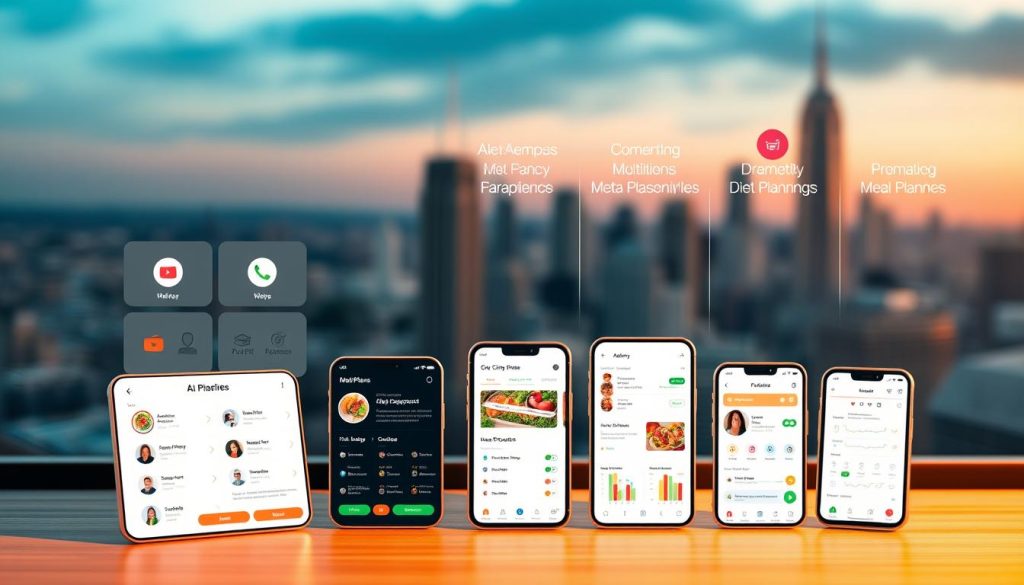
By considering these factors and comparing different platforms, you can find the AI diet planning tool that best fits your lifestyle and nutritional needs.
Step-by-Step Guide to Setting Up Your AI-Powered Diet Planner
With an AI-powered diet planner, achieving your dietary goals begins with a simple setup process. This guide will walk you through the essential steps to get started with your personalized meal planning.
Creating Your Nutritional Profile
The foundation of your AI-powered diet plan is your nutritional profile. This involves providing your essential health metrics and documenting your food preferences.
Essential Health Metrics to Include
To create an accurate nutritional profile, you’ll need to share health metrics such as age, weight, height, and activity level. This data helps the machine learning nutrition tool understand your caloric needs and nutritional requirements.
Food Preference Documentation
Documenting your food preferences is crucial for creating a meal plan you can enjoy. This includes noting your favorite foods, dislikes, and any cultural or dietary preferences.
Setting Realistic Goals and Preferences
Setting realistic goals is vital for the success of your diet plan. Your AI-powered diet planner will ask you to define your nutritional goals, whether it’s weight loss, muscle gain, or maintaining overall health.
As
“The key to success is to start before you’re ready.” – Marie Forleo
, setting your goals is the first step towards a healthier you.
Integrating Dietary Restrictions and Allergies
To ensure your meal plan is safe and suitable, you can integrate any dietary restrictions and allergies into your profile. This feature is particularly useful for those with specific nutritional needs or restrictions.
By following these steps, you’ll be able to leverage the full potential of your AI-powered diet planner, enjoying a personalized and automated meal scheduling experience that adapts to your needs.
Maximizing Results with Your Personalized Meal Plans
With your AI-powered diet planner, the key to achieving your dietary goals lies in effectively utilizing your personalized meal plans. To maximize results, it’s crucial to implement your AI-generated meal schedule effectively, track your progress, and make adjustments as needed.
Implementing Your AI-Generated Meal Schedule
Start by integrating your AI-generated meal schedule into your daily routine. Use a planner or app to stay organized and ensure you’re meeting your nutritional goals. For instance, you can prepare meals in advance using a meal prep container to save time during the week.
Tracking Progress and Providing Feedback
Regularly tracking your progress is vital to refining your meal plan. Use a food diary or a mobile app to log your meals and provide feedback to your AI diet planner. This feedback loop helps the algorithm adjust your meal plan to better suit your needs. Consider using a table to track your progress:
| Date | Meal | Calories | Feedback |
|---|---|---|---|
| 2023-03-01 | Breakfast: Oatmeal with fruits | 300 | Satisfied until lunch |
| 2023-03-01 | Lunch: Grilled chicken salad | 400 | Needed more protein |
Adjusting Plans as Your Needs Change
As your dietary needs and preferences evolve, it’s essential to adjust your meal plans accordingly. Your AI-powered diet planner can adapt to these changes, ensuring your meal plans remain tailored to your goals. Whether you’re looking to maintain weight loss or adjust your macronutrient ratios, your AI diet planner can help.
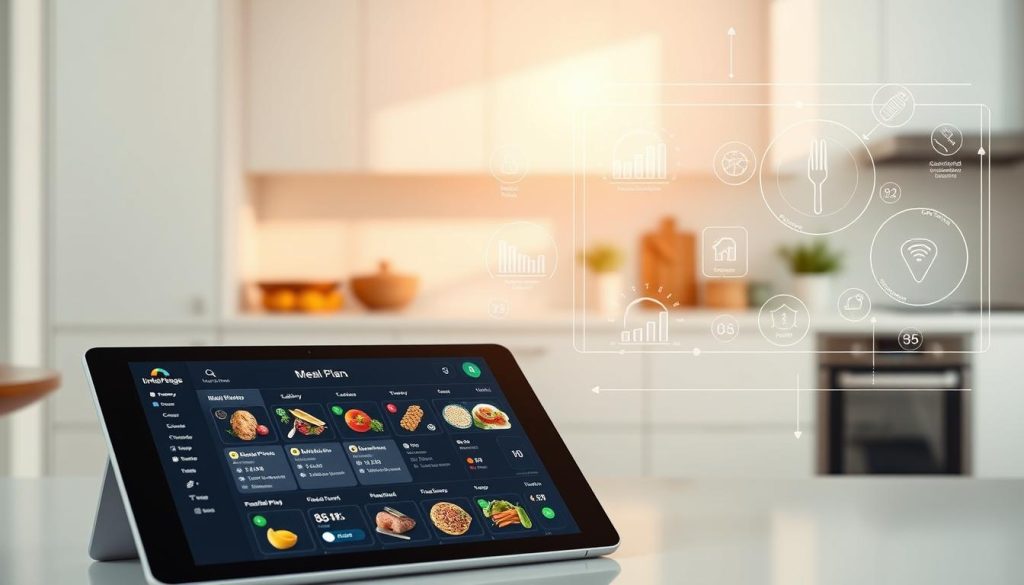
By following these steps and leveraging the capabilities of your intelligent meal planning software or algorithm-driven diet program, you can maximize the effectiveness of your personalized meal plans and achieve your dietary goals.
Overcoming Common Challenges with AI Diet Planning
The journey to a healthier lifestyle with an AI diet planning tool is often fraught with common challenges. Despite the numerous benefits offered by AI-powered diet planners, users may encounter issues that can impede their progress. By understanding these challenges and developing strategies to overcome them, users can maximize the effectiveness of their smart dieting app.
Dealing with Food Availability Issues
One of the primary challenges users face is dealing with food availability issues. The AI-powered diet planner may suggest specific ingredients that are not readily available in local stores. To overcome this, users can update their dietary preferences to include more accessible alternatives or explore online grocery shopping options.
Managing Social Eating Situations
Managing social eating situations is another challenge. Users may find it difficult to stick to their meal plans when dining out or attending social gatherings. A practical approach is to plan ahead by researching restaurant menus or bringing a dish to share that fits within their dietary plan.
Maintaining Motivation and Consistency
Maintaining motivation and consistency is crucial for achieving health goals with an AI diet planning tool. Users can stay motivated by tracking their progress and receiving feedback from the app. Regularly updating goals and preferences also helps in maintaining consistency.
| Challenge | Strategy |
|---|---|
| Food Availability Issues | Update dietary preferences, explore online grocery shopping |
| Social Eating Situations | Plan ahead, research restaurant menus, bring a dish to share |
| Maintaining Motivation and Consistency | Track progress, receive feedback, update goals and preferences |
Conclusion
By leveraging a personalized meal planner, you can take a significant step towards achieving your health goals. AI-powered diet planners utilize a machine learning nutrition tool to analyze your nutritional needs and provide tailored meal plans.
With the right AI diet planning tool, you can enjoy a more balanced diet, save time on meal planning, and stay motivated on your health journey. As you integrate AI-powered diet planning into your lifestyle, you’ll be better equipped to make informed decisions about your nutrition.
Embarking on a health journey requires commitment, but with the support of a personalized meal planner, you can maximize your progress and achieve lasting results.
FAQ
What is an AI-powered diet planner?
An AI-powered diet planner is a tool that uses artificial intelligence and machine learning to create personalized meal plans based on your nutritional needs, health goals, and preferences.
How do AI-powered diet planners collect data?
AI-powered diet planners collect data through various means, including user input, health metrics, and dietary preferences, to create a comprehensive nutritional profile.
Can AI-powered diet planners accommodate dietary restrictions and allergies?
Yes, AI-powered diet planners can integrate dietary restrictions and allergies into your meal plan, ensuring that the suggested meals are safe and suitable for your needs.
How do I track my progress with an AI-powered diet planner?
You can track your progress by monitoring your health metrics, logging your food intake, and providing feedback to the AI, which can then adjust your meal plan accordingly.
Are AI-powered diet planners user-friendly?
Most AI-powered diet planners are designed with a user-friendly interface, making it easy to navigate and use the tool, even for those who are not tech-savvy.
Can I adjust my meal plan as my needs change?
Yes, AI-powered diet planners allow you to adjust your meal plan as your needs change, ensuring that your diet remains tailored to your goals and preferences.
How do AI-powered diet planners ensure nutritional balance and variety?
AI-powered diet planners use algorithms to suggest a diverse range of healthy meals, ensuring that your diet is nutritionally balanced and varied.
Can I use an AI-powered diet planner if I have specific health goals, such as weight loss or muscle gain?
Yes, AI-powered diet planners can be tailored to specific health goals, such as weight loss or muscle gain, by adjusting the meal plan to meet your individual needs.
Are AI-powered diet planners compatible with other health apps?
Many AI-powered diet planners are designed to integrate with other health apps, allowing you to track your progress and health metrics in one place.
How do I choose the right AI-powered diet planner for my needs?
To choose the right AI-powered diet planner, consider factors such as user interface, features, and compatibility with other health apps, and compare different platforms to find the one that best suits your needs.