

Reaching your fitness goals requires more than just a rigorous exercise routine; it demands a tailored nutritional approach. A well-designed nutrition plan can significantly impact your progress, whether you’re aiming for weight loss, muscle gain, or enhanced endurance. But what makes a nutrition plan truly effective?
The answer lies in personalization. A customized diet plan takes into account your unique nutritional needs, lifestyle, and fitness objectives, providing a roadmap to success. In this article, we’ll explore how personalized nutrition plans can help you achieve your desired outcomes.
Key Takeaways
Table of Contents
- Understand the importance of tailored nutrition for fitness goals
- Learn how to assess your current nutritional status
- Discover steps to create a customized meal plan
- Explore the benefits of personalized nutrition plans
- Gain insights into achieving a healthier, fitter you
Understanding the Importance of Personalized Nutrition
Personalized nutrition is the cornerstone of achieving fitness goals. It’s a tailored approach that considers an individual’s unique nutritional needs, lifestyle, and fitness objectives. As Dr. Michael Mosley once said, “The right diet is not just about cutting out certain foods, it’s about understanding your body’s needs and fueling it accordingly.”
Generic diets often fail because they don’t account for individual differences in metabolism, lifestyle, and fitness goals. A customized meal plan is designed to meet the specific needs of an individual, making it more effective.
Why One-Size-Fits-All Diets Often Fail
One-size-fits-all diets are ineffective because they don’t consider the unique characteristics of an individual. Factors such as age, sex, weight, height, and activity level all play a role in determining nutritional needs. As
“You can’t pour from an empty cup. Take care of yourself first.”
– this quote emphasizes the importance of understanding one’s nutritional needs.
The Science Behind Tailored Nutrition Approaches
Tailored nutrition approaches are based on scientific principles that consider individual factors to provide a more effective path to achieving fitness objectives. This includes assessing nutritional gaps and excesses, and creating a plan that is tailored to an individual’s specific requirements.
How Individualized Nutrition Enhances Fitness Results
By understanding an individual’s nutritional needs and creating a plan that is tailored to their specific requirements, individualized nutrition enhances fitness results. It ensures that the body is fueled correctly for optimal performance and recovery.
Assessing Your Current Nutritional Status
Before diving into a new diet, it’s essential to assess your current nutritional status. This step is crucial in creating a bespoke meal prep for fitness that aligns with your specific needs and goals. Understanding your current nutritional status involves evaluating your eating habits, identifying nutritional gaps or excesses, and using tools to track your food intake.
Evaluating Your Current Eating Habits
Start by keeping a food diary to record everything you eat for a week or two. This will help you identify patterns, such as when you tend to overeat or what types of foods you typically consume. Being aware of your eating habits is the first step towards making positive changes.
Identifying Nutritional Gaps and Excesses
Once you have a record of your eating habits, analyze it to identify any nutritional gaps or excesses. For instance, are you getting enough protein to support muscle growth? Or are you consuming too many processed foods that are high in unhealthy fats and sugars?
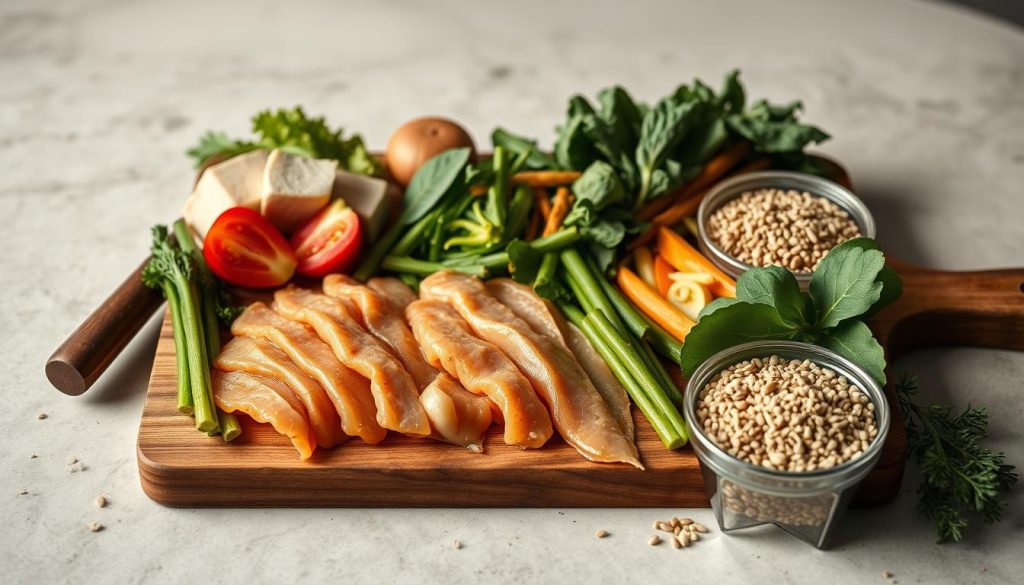
Tools for Tracking Your Food Intake
There are various tools available to help track your food intake, from mobile apps like MyFitnessPal to online calorie calculators. These tools can provide insights into your daily nutrient intake and help you make informed decisions about your diet.
When to Consult with Nutrition Professionals
If you’re unsure about how to assess your nutritional status or need personalized guidance, consider consulting with a nutrition professional. They can provide special diet plans for workout goals tailored to your specific needs.
| Nutritional Aspect | Current Status | Recommended Intake |
|---|---|---|
| Caloric Intake | 2500 calories | 2800 calories |
| Protein Intake | 120g | 150g |
| Carbohydrate Intake | 300g | 350g |
By assessing your current nutritional status and making informed adjustments, you can create a more effective diet plan that supports your fitness goals.
Defining Your Specific Fitness Goals
Understanding your fitness objectives is key to tailoring a diet that meets your needs. Whether you’re aiming to lose weight, build muscle, or enhance endurance, a clear definition of your goals is crucial for success.
To create an effective diet plan, it’s essential to identify the specific nutritional requirements associated with your fitness goals. Different goals demand different nutritional approaches, and understanding these differences is vital.
Weight Loss and Fat Reduction Plans
For those looking to lose weight or reduce body fat, a diet plan that creates a caloric deficit is essential. This involves consuming fewer calories than you burn, with a focus on nutrient-dense foods that support overall health while promoting fat loss.
Muscle Building and Strength Gain Nutrition
If your goal is to build muscle or increase strength, your diet should be rich in protein to support muscle growth and repair. Adequate caloric intake is also crucial to ensure you have the energy needed for workouts and recovery.
Endurance and Performance Enhancement Diets
For individuals focused on enhancing endurance or improving performance, a diet that balances carbohydrates, protein, and healthy fats is vital. This balance supports sustained energy levels and aids in recovery.
| Fitness Goal | Nutritional Focus | Key Nutrients |
|---|---|---|
| Weight Loss | Caloric deficit | Protein, Fiber |
| Muscle Building | High Protein | Protein, Complex Carbohydrates |
| Endurance | Balanced Macronutrients | Carbohydrates, Protein, Healthy Fats |
By defining your specific fitness goals and understanding the associated nutritional requirements, you can develop a tailored diet plan that supports your objectives, whether it’s weight loss, muscle gain, or enhanced endurance.
Creating Custom Diet Plans for Fitness Goals
Designing a personalized nutrition plan is crucial for achieving your fitness objectives. A well-tailored diet plan considers various factors, including your nutritional needs, fitness goals, and lifestyle.
Calculating Your Caloric Needs
To create an effective diet plan, you first need to calculate your caloric needs. This involves understanding your basal metabolic rate and adjusting it based on your activity level.
Basal Metabolic Rate and Activity Factors
Your basal metabolic rate (BMR) is the number of calories your body needs to function at rest. Activity factors, such as your daily physical activity and exercise, are then applied to your BMR to determine your total daily energy expenditure.
Caloric Surplus vs. Deficit
Depending on your fitness goals, you may need to be in a caloric surplus to gain muscle or a caloric deficit to lose fat. Understanding the difference is crucial for achieving your desired outcomes.
Determining Optimal Macronutrient Ratios
Once you’ve calculated your caloric needs, determining the optimal macronutrient ratios is the next step. This involves balancing carbohydrates, proteins, and fats to support your fitness goals.
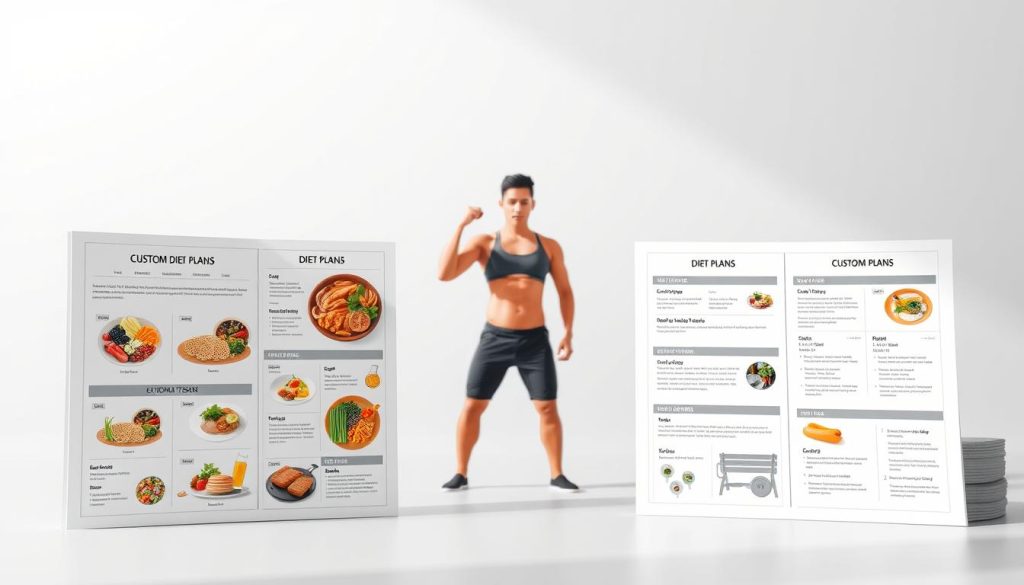
Meal Timing and Frequency Considerations
Meal timing and frequency can significantly impact your fitness results. Eating at the right times can help optimize your performance and recovery.
Supplementation Strategies for Your Goals
In addition to your diet plan, supplementation strategies can provide essential nutrients that support your fitness objectives. It’s crucial to choose supplements that align with your goals.
By following these steps and creating a customized meal plan, you can achieve your fitness goals more effectively. Remember, a personalized approach is key to success.
Implementing Your Personalized Nutrition Plan
The key to achieving your fitness goals lies in effectively implementing your personalized nutrition plan. This involves several strategic steps that ensure you stay on track and make the most out of your tailored diet program.
Creating a Sustainable Meal Schedule
Developing a meal schedule that fits your lifestyle is crucial. It should be realistic and flexible enough to accommodate changes and unexpected events. Plan your meals around your workout schedule to optimize your nutrition and recovery.
Grocery Shopping Strategies
Effective grocery shopping is the backbone of any successful nutrition plan. Make a list based on your meal plan and stick to it to avoid impulse buys. Consider buying in bulk and shopping for seasonal produce to save time and money.
Meal Prep Techniques for Success
Meal preparation is a game-changer for those following a bespoke meal prep for fitness. It saves time during the week and ensures that you have healthy meals ready to go. Invest in quality containers and consider prep sessions on the weekends or one day a week.
Adjusting Your Plan Based on Progress
Monitoring your progress and adjusting your plan accordingly is vital. Keep track of your weight, measurements, and how you feel. If you’re not seeing the desired results, reassess your caloric needs and macronutrient ratios. Be prepared to make adjustments to stay on track.
| Adjustment Criteria | Indicators for Change | Action Plan |
|---|---|---|
| Weight Loss | Not losing weight, or gaining weight | Reassess caloric intake, adjust macronutrient ratios |
| Muscle Gain | Not gaining muscle mass | Increase protein intake, adjust workout routine |
| Energy Levels | Feeling lethargic or experiencing energy crashes | Adjust meal timing, consider supplementation |
Overcoming Common Diet Challenges
A successful fitness journey hinges on overcoming common diet challenges that can derail even the most dedicated individuals. Staying on track with your special diet plans for workout goals requires strategies to overcome these hurdles.

Dealing with Plateaus and Progress Stalls
Plateaus are a normal part of any fitness journey. To overcome them, reassess your unique nutritional guidance for exercise and adjust your caloric intake or macronutrient ratios as needed.
Managing Social Situations and Eating Out
Social gatherings and eating out can be challenging. Plan ahead by choosing restaurants with healthy options and being mindful of portion sizes to maintain your dietary adherence.
Balancing Dietary Adherence with Flexibility
While consistency is key, some flexibility is necessary to avoid burnout. Allow yourself the occasional treat and adjust your plan as needed to stay motivated.
Staying Motivated Through Challenging Phases
Staying motivated is crucial. Set small, achievable milestones and celebrate your successes to maintain momentum on your fitness journey.
By being prepared for these common diet challenges, you can maintain your commitment to your fitness goals and achieve long-term success with your special diet plans for workout goals.
Conclusion
Creating a custom diet plan tailored to your fitness goals is a powerful step towards achieving success in your fitness journey. With one-on-one diet coaching for health and fitness, you can gain a deeper understanding of your nutritional needs and develop a plan that suits your lifestyle.
By assessing your nutritional status, defining your fitness goals, and implementing a well-structured diet plan, you can overcome common challenges and stay motivated. Custom diet plans for fitness goals help you make informed decisions about your nutrition, ensuring you’re fueling your body for optimal performance.
A well-crafted nutrition plan allows for flexibility, making it easier to stick to your goals. With the right guidance and support, you can achieve your fitness goals and maintain a healthier lifestyle. By investing in personalized nutrition, you’re taking a significant step towards long-term success.
FAQ
What is a custom diet plan, and how does it differ from a generic diet?
A custom diet plan is a tailored nutrition plan designed to meet your specific fitness goals, taking into account your metabolism, lifestyle, and nutritional needs. Unlike generic diets, custom diet plans are personalized to provide a more effective path to achieving your fitness objectives.
How do I assess my current nutritional status?
Assessing your current nutritional status involves evaluating your eating habits, identifying nutritional gaps or excesses, and using tools to track your food intake. You can also consult with nutrition professionals for valuable insights and guidance.
What are the key steps in creating a custom diet plan?
Creating a custom diet plan involves calculating your caloric needs, determining optimal macronutrient ratios, considering meal timing and frequency, and developing supplementation strategies to support your fitness goals.
How do I implement my personalized nutrition plan effectively?
Implementing your personalized nutrition plan requires creating a sustainable meal schedule, adopting effective grocery shopping strategies, mastering meal prep techniques, and being able to adjust your plan based on your progress.
What are some common diet challenges, and how can I overcome them?
Common diet challenges include dealing with plateaus, managing social situations, balancing dietary adherence with flexibility, and staying motivated. You can overcome these challenges by being prepared, staying flexible, and seeking support when needed.
How often should I adjust my custom diet plan?
You should adjust your custom diet plan based on your progress, which can be regularly monitored through tracking your food intake, weight, and fitness metrics. Adjustments can help ensure you stay on track to achieving your fitness goals.
Can I create a custom diet plan on my own, or do I need professional help?
While you can start creating a custom diet plan on your own, consulting with nutrition professionals can provide valuable insights and guidance, especially if you’re new to personalized nutrition or have specific dietary needs.
What is the role of supplementation in a custom diet plan?
Supplementation strategies can support your fitness goals by providing essential nutrients that may be lacking in your diet. A well-planned supplementation strategy can help fill nutritional gaps and enhance your overall fitness results.
How do I stay motivated with my custom diet plan?
Staying motivated with your custom diet plan involves setting realistic goals, tracking your progress, and celebrating small victories along the way. You can also seek support from fitness communities or nutrition professionals to help maintain your motivation.